Optional Tour
2026 SWST is pleased to offer optional educational tours on Friday, June 12, 2026.
Two distinct courses are available, and interested participants may select one during the online registration process.
To ensure a smooth experience, these tours are available by advance registration only.
Please be advised that on-site registration will NOT be available on the day of the tour.
Additionally, the tour program is subject to adjustment, and a tour may be canceled if the minimum number of participants is not met.
| Date | Friday, June 12, 2026 |
|---|---|
| Time | 9:00~18:00 |
| Program |
Course A Seoul/Incheon Imjingak Peace Park - Dongwha Group(wood Panel Company) - Haedong Advanced Engineering Building, Seoul National University Course B Suwon/Yongin General Research Building of Forest Bioresources Research Division, NIFoS - Hyundai LIVART(Smart Work Center) - Korean Folk Village |
| Tour Fee | USD 100 (KRW 150,000) (Includes transportation, lunch, and all admission fees) |
Course A Seoul / Incheon
(wood Panel Company)
Seoul National University
Imjingak Peace Park
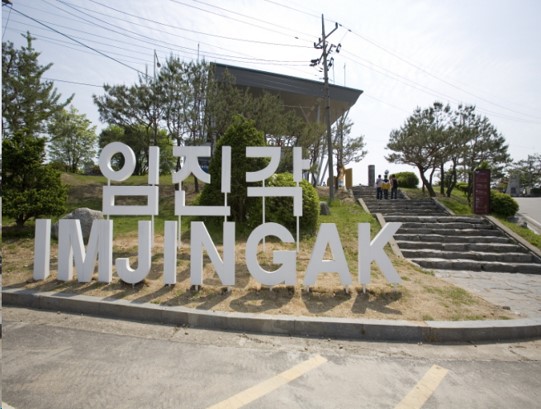
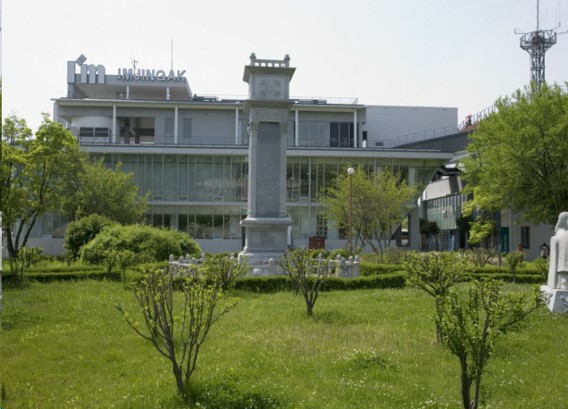
Imjingak Peace Park is a representative historical and symbolic site located near the Demilitarized Zone (DMZ), reflecting the division of the Korean Peninsula and ongoing efforts toward peace. Established in 1972, the site was created to commemorate the Korean War and to serve as a place of remembrance for separated families.
Key landmarks within the park include the Freedom Bridge, historically used by prisoners of war returning after the armistice, and the Mangbaedan Altar, where traditional ancestral rites are performed in the direction of North Korea. War-related artifacts, such as a steam locomotive damaged during the conflict, remain preserved as material evidence of modern Korean history.
Today, Imjingak functions as a space for education, reflection, and international exchange. Through its monuments, exhibitions, and landscape, the site provides visitors with contextual insight into Korea’s post-war history and the geopolitical realities of the peninsula. For international participants, Imjingak offers an opportunity to understand Korea’s modern historical experience within a broader global perspective on conflict, division, and peace.
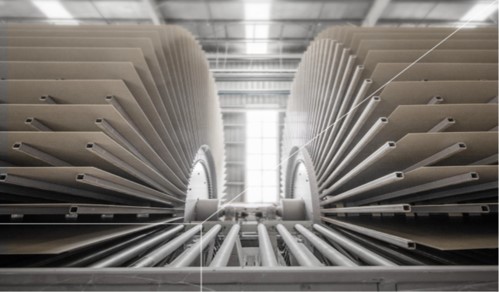
Dongwha Group
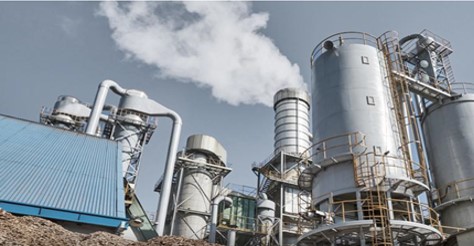
Founded in 1948, the Dongwha Group grew based on the wood industry and evolved into a global company with the lead in wood panel, chemicals, auto life, and media. Donghwa Group, a leading name in the wood industry, opened Korea's first timber yard in 1971, followed by a PB Plant in 1977 and the country's first MDF Plant in 1986, asserting dominance in the domestic board market. Subsequently, we achieved vertical integration and solidified our position as Korea's leading wood material company, producing high-value products like interior building materials and exterior finishes. As we entered the 2000s, Dongwha Group strengthened our capabilities through subsidiary establishment and acquisitions, expanding overseas production bases and showcasing our leading competitiveness on a global scale.
Haedong Advanced Engineering Building, Seoul National University
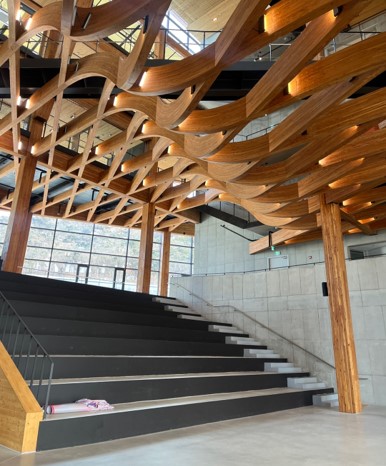
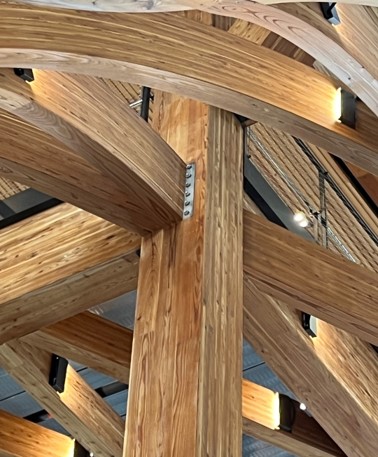
This building was proposed as the AI Research Institute and was developed based on three key ideas. First, it aims to create spaces that promote active interaction and communication among researchers. Recognizing the importance of collaboration, the design encourages frequent encounters through half-level connecting bridges between the two building wings and an atrium with shared spaces such as meeting rooms. Second, the concept of “Ultra Flexibility” was adopted. This allows all interior walls to be removed, creating one large, open space when needed. Third, the building symbolizes high-tech AI through the use of deep tech material, wood. The central mass of the building is constructed with mass timber, and wood is used to design the “AI Wave.” By emphasizing the purity of material use, the building demonstrates the modern value of timber architecture while using a relatively small amount of wood.
Course B Suwon / Yongin
NIFoS
(Smart Work Center)
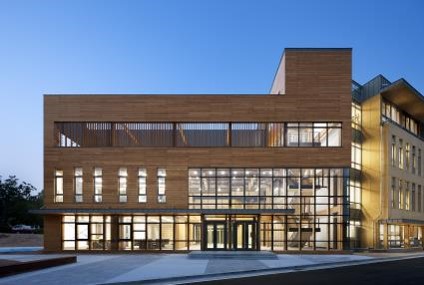
General Research Building of Forest Bioresources Research Division, NIFoS
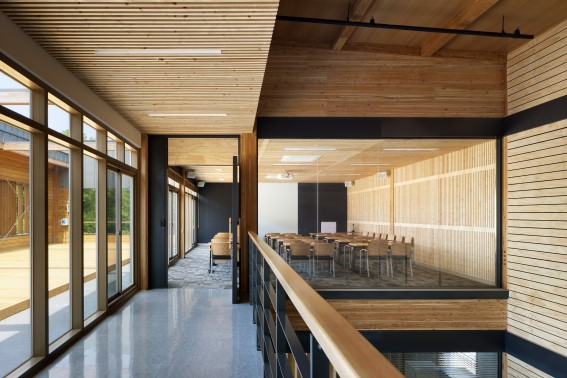
This building marks a national first as Korea’s tallest timber building in the public sector. Constructed with domestically produced structural glued laminated timber, it adopts a fire-resistant structural system with flame-retardant treatments applied to both interior and exterior finishes, securing a high standard of fire safety alongside architectural innovation. Designed as a next-generation research facility, the building integrates an advanced building automation system controlling lighting, heating and cooling, and water supply and drainage. Laboratory environments are further enhanced through automatic ventilation systems and upgraded safety facilities, including chemical exhaust systems and emergency showers. Certified for energy efficiency and green building performance, the project exemplifies sustainable timber architecture by incorporating renewable energy systems such as geothermal energy, demonstrating the future potential of eco-friendly public buildings.
HYUNDAI LIVART
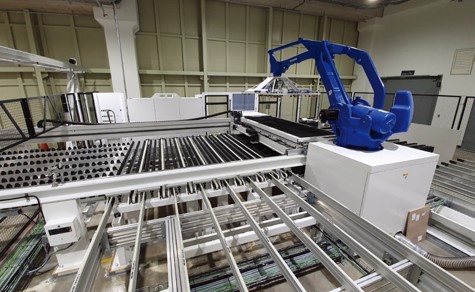
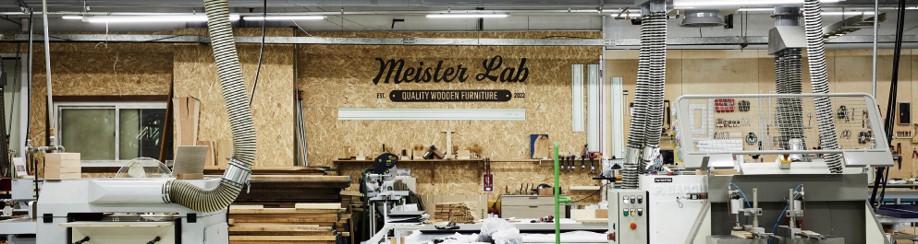
HYUNDAI LIVART has pioneered the establishment of Asia's largest Smart Work Center, a groundbreaking initiative in the domestic furniture industry. This integrated manufacturing and logistics facility combines cutting-edge smart factories with distribution centers, ensuring the production of highly competitive and distinct products and delivery services through full-scale operations. The Smart Factory features a completely automated system, where every stage of furniture manufacturing is carefully managed by artificial intelligence. By automating the entire production process, from wood cutting to packaging, we have achieved zero defects and significantly increased production capacity. The facility covers an area of 85,950 square meters, equivalent to approximately 12 football fields.
Korean Folk Village
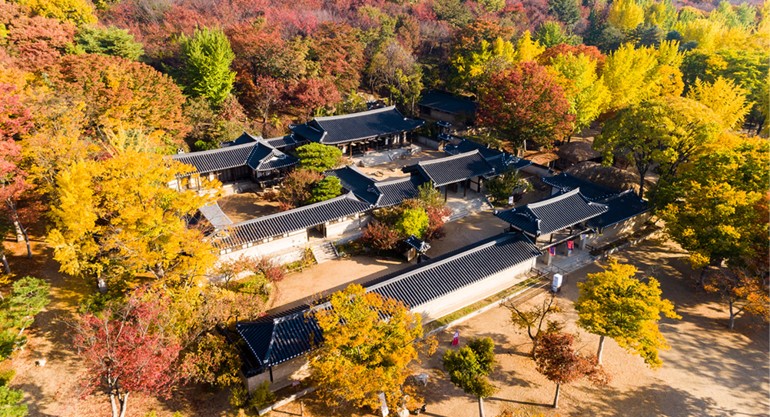
Since its founding in 1974, the Korean Folk Village has aimed to be the premier traditional culture theme destination with both educational and touristic value.
The Joseon-era village is composed of real houses relocated and restored from various regions, reproducing seasonal lifestyles based on thorough research and consultation. We strive to share the fading value of traditional heritage through hands-on outdoor exhibitions, traditional crafts, and seasonal customs.
Through the preserved traditions of the Korean Folk Village, experience the past and present, and discover new values for the future.